
High & Low Level Toilets
Categories
- Accessories25 products
- Towel Rails & Warmers10 products
- Basins72 products
- Console Basins1 product
- Corner Basins2 products
- Freestanding Basins6 products
- Semi-Recessed & Inset Basins6 products
- Undercounter Basins1 product
- Vessel & Countertop Basins14 products
- Wall-Hung Basins2 products
- Bathroom Furniture45 products
- Baths11 products
- Bidets21 products
- Fittings & Wastes28 products
- Kitchen & Utility Sinks9 products
- Mirrors & Lighting12 products
- Objects & Furniture14 products
- Showers & Trays11 products
- Shower Trays9 products
- Showers2 products
- Taps & Mixers14 products
- Toilets61 products
- Back-to-Wall Toilets10 products
- Cisterns10 products
- Close-Coupled Toilets8 products
- High & Low Level Toilets5 products
- Toilet Seats12 products
- Urinals5 products
- Wall-Hung Toilets9 products
- Collections296 products
- Contemporary Collections153 products
- Period Collections143 products
- Cretingham4 products
- Debenham14 products
- Framsden60 products
- Kersey4 products
- Kettleburgh9 products
- Otley4 products
- Thornham48 products
Price
Showing all 5 results
-

Framsden Low Level Toilet
Price range: £1,062.72 through £1,296.00 -
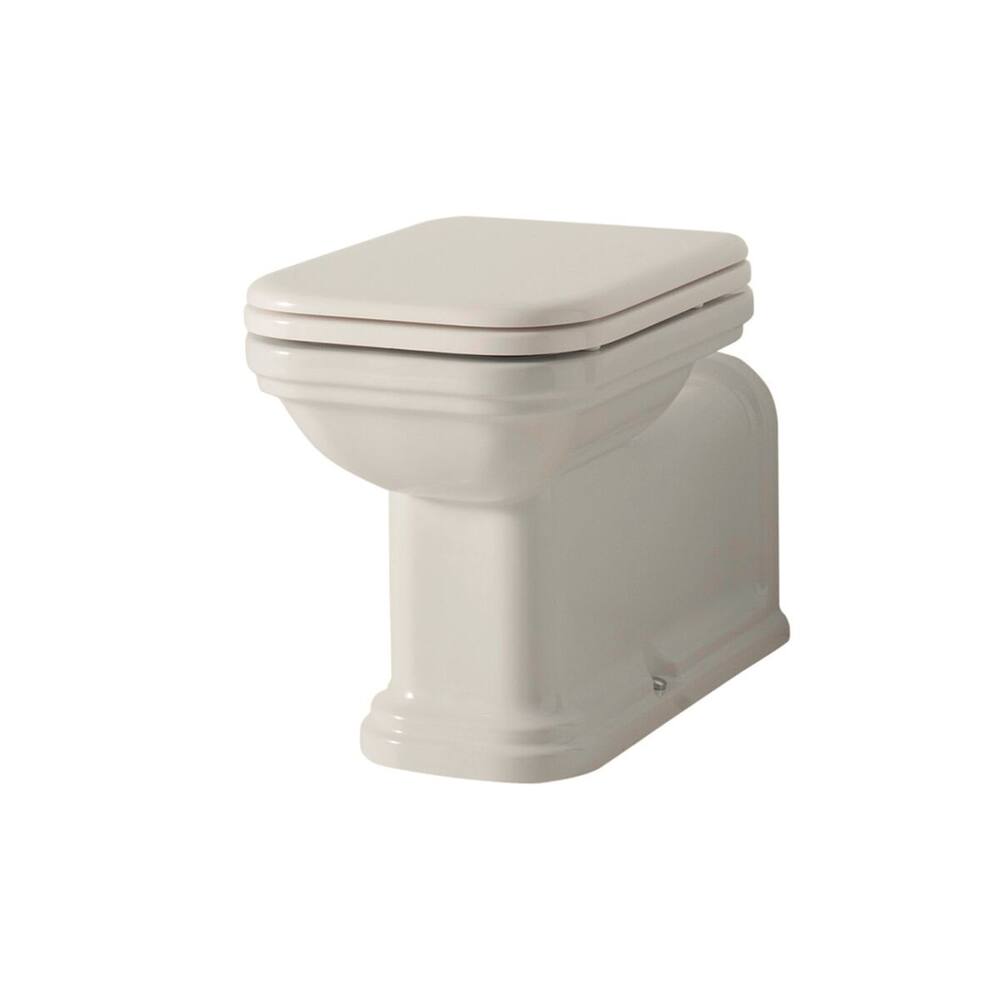
Thornham Extended High/Low Level Toilet Pan
Price range: £684.29 through £1,097.28 -

Thornham Extended Low Level Toilet
Price range: £1,075.39 through £1,987.20 -
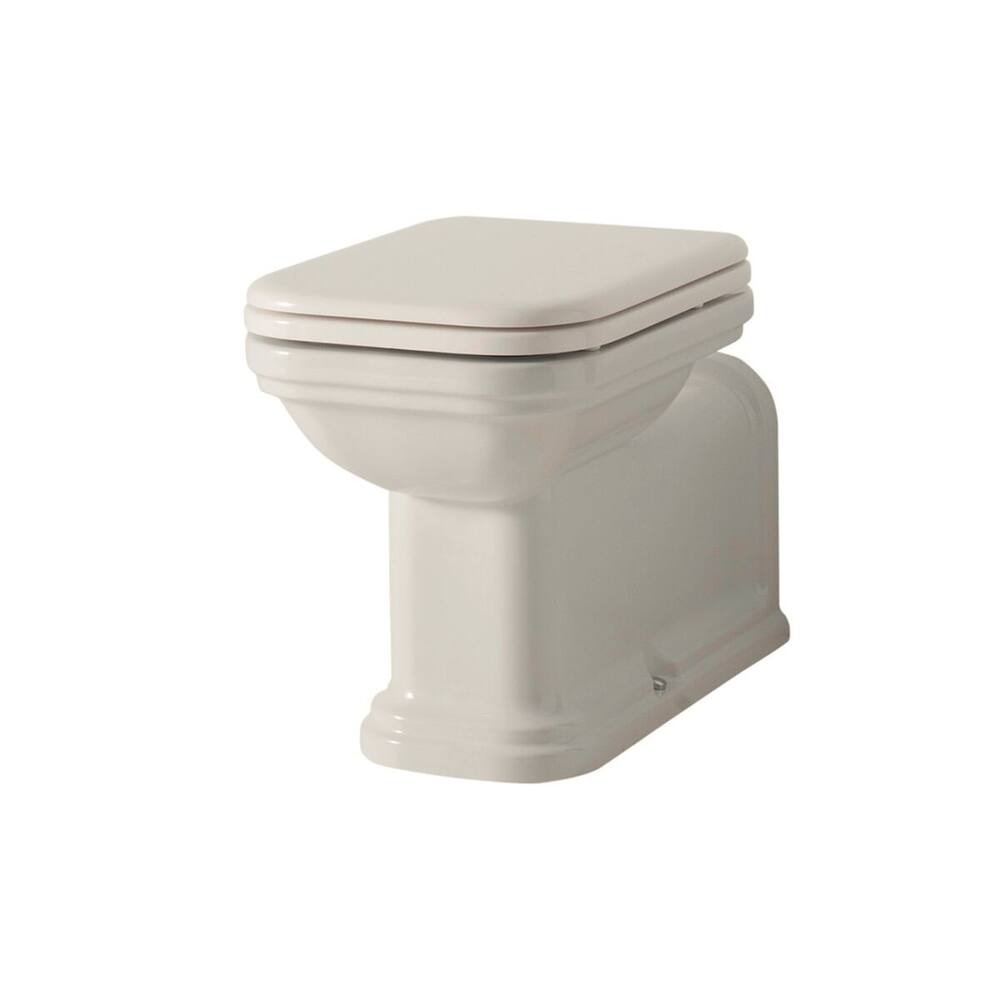
Thornham Extended High Level Toilet
Price range: £1,461.31 through £2,272.03 -

Debenham High Level Toilet
Price range: £1,652.83 through £2,030.11
With a high- or low-level toilet, the cistern is fixed to the wall above the pan and joined to it by an exposed flush pipe. It is the arrangement most period houses were built with. We list five: the Framsden low-level toilet with a push-button or lever flush; the Thornham extended high-level and extended low-level toilets, with fittings in chrome, gold or bronze; the Thornham extended pan on its own; and the Debenham high-level toilet.
High-level or low-level
A high-level cistern sits well up the wall and is flushed by a pull and chain. It needs ceiling height and suits a room with tall walls. A low-level cistern sits just above the pan, with a short pipe and a lever or button, and works in rooms with lower ceilings or a window above.
Thornham’s high- and low-level toilets use its extended pans; check their projection on the specification sheet against the door swing. Framsden is more compact. Debenham follows the bathrooms of the 1920s and 1930s.
What to measure
Ceiling height and the position of any window, beam or slope above the pan.
Projection from the finished wall to the front of the pan, against the door swing.
The soil pipe position, and whether the outlet is through the floor or the wall.
The flush pipe and cistern fittings are listed under fittings and wastes and cisterns. See the Debenham collection for matching basins.